India’s female labour force participation rate has risen from ~23 percent in 2017-18 to ~42 percent in 2023-24, a remarkable turnaround driven by rural non-farm employment, self-employment, and post-pandemic necessity. Yet, beneath this progress lies a structural challenge – most women remain concentrated in informal, low-paying, and low-productivity sectors with limited security or career mobility. As India seeks to sustain high growth and demographic dividends, increasing women’s participation, particularly in formal and high-value sectors, will be critical.
This discussion will examine how structural reforms, private sector initiatives, social policy and cultural shifts can together enable women to move from informal and unpaid work into the formal, productive economy, turning inclusion into growth. How can policy and industry shift women’s labour participation toward higher-productivity, formal-sector jobs? How could we redistribute the primary care-taking burden and unlock women’s economic participation? What cultural shifts and serious institutional innovations are needed on this front? How can India’s economic narrative and efforts move beyond inclusion as mere tokenism to inclusion as a necessity, central to India’s productivity and competitiveness?
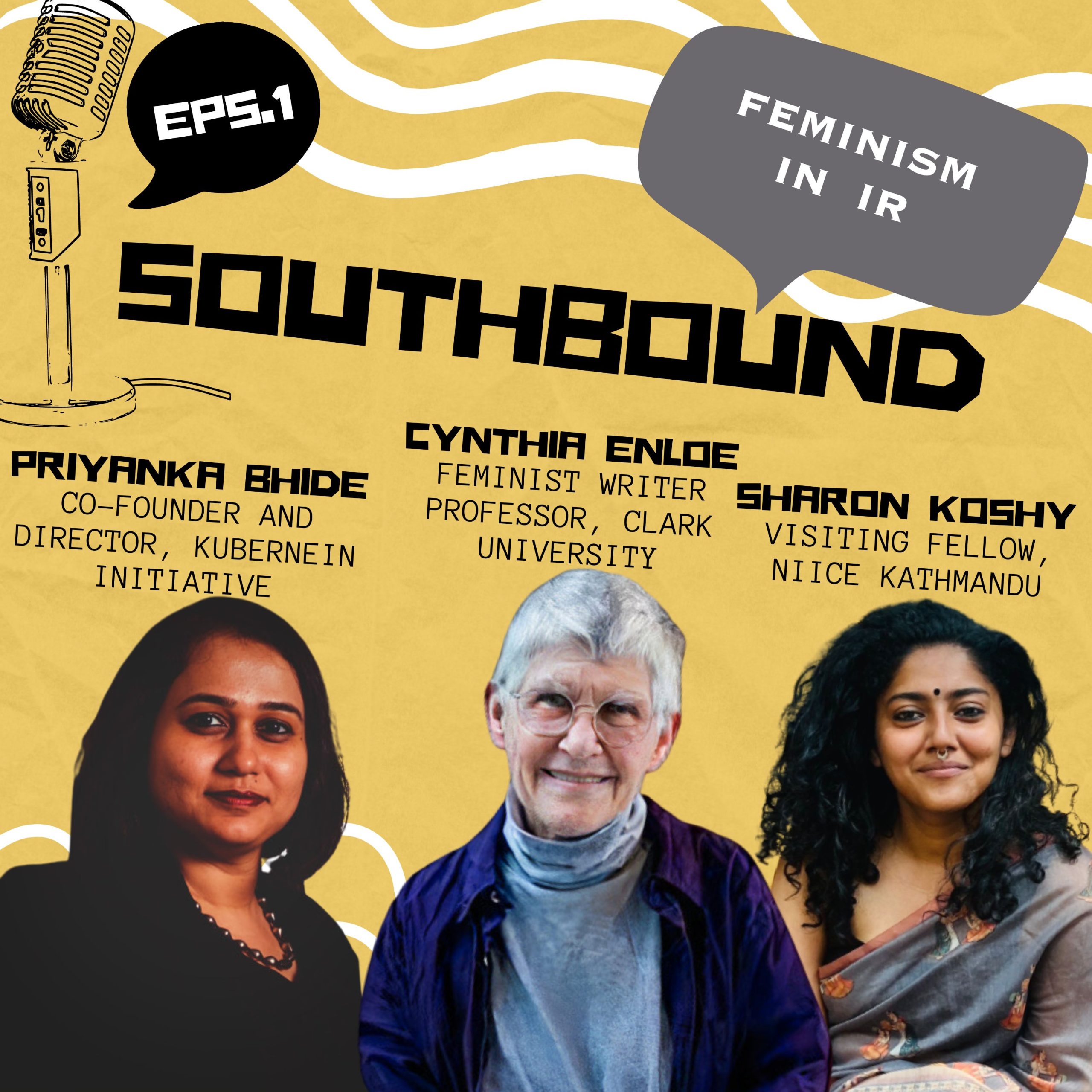
Moderator Priyanka Bhide, Co-founder, Kubernien Initiative, Maharashtra
Speakers
Soumya Awasthi, Fellow, Observer Research Foundation, New Delhi
Muneer A Magry, Teaching Fellow, Nalanda University, Bihar
Aadrita Das, Assistant Professor, Centre for South East Asian Studies, Assam
Hakim Ilyas, General Secretary, Ehsaas Trust International, Jammu & Kashmir