Regional governments should stop blaming shortages on the failure of treaties, diverting attention from much-needed internal reforms
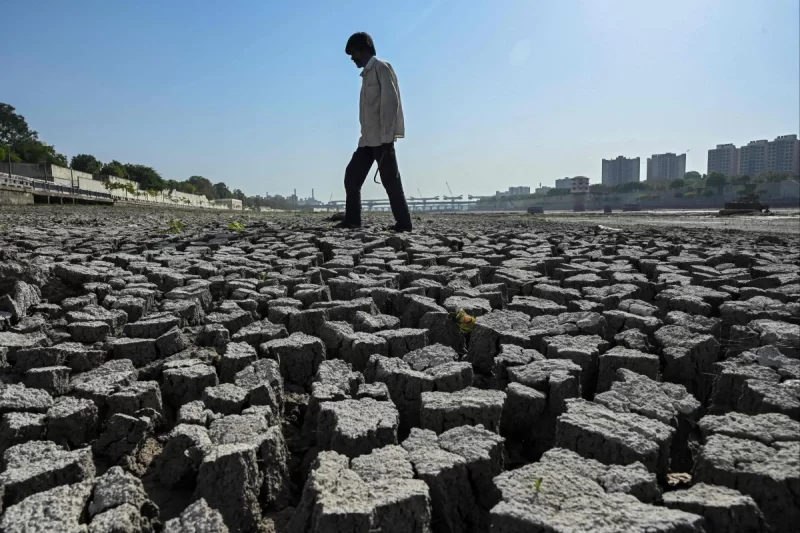
Summer hit South Asia early this year. April saw above average temperatures and the mercury is expected to reach unbearable highs this month. We are also bracing for a “super El Nino”, where a combination of increased heatwaves and highly variable weather patterns are expected to push urban zones, agricultural systems and public health to their limits.
South Asia, especially parts of Pakistan, India and Nepal, is likely to receive below average monsoon rainfall during the summer months of June-August. For countries that are heavily dependent on the monsoon for agricultural output, a deadly combination of low rainfall and high heat has several cascading risks.
Such risks can often get embroiled in political rhetoric that prompts countries to look outward for solutions and blame their neighbours. It’s usually an easy domestic political victory. However, South Asia’s water crisis is as much an internal issue as it is external. While collaborative solutions might remain a distant dream, countries must still aim for workable internal solutions. Extreme weather and unpredictable climatic conditions are likely to become the new normal and countries need to prepare with improved domestic water governance policies.
India, Pakistan, Bangladesh, Nepal and Afghanistan are hydrologically interdependent. The Indus, Ganga and Brahmaputra basins and the Himalayan glaciers that feed them are common sources of water that also tie together communities, histories and narratives. Water has long been a contentious issue, as is common in many parts of the world where two or more countries with little diplomatic engagement or problematic borders share a water resource.
South Asia is one of the least integrated regions, especially in terms of transboundary water cooperation. While a few agreements and treaties exist between regional countries, most are bilateral and many are under strain and subject to geopolitical considerations. After being in place for more than six decades, the Indus Water Treaty is now suspended following last year’s conflict between India and Pakistan. The Mahakali Treaty between India and Nepal faces implementation challenges, and the Ganges Water Treaty between India and Bangladesh is set to expire at the end of the year. While renewal negotiations are under way, the question of water allocation and the yet-unsigned Teesta River water-sharing treaty are likely to be sticking points.
Given the current geopolitical realities, integrated water management with updated mechanisms that keep human and environmental security at the core is a distant dream. The inconvenient truth is that countries in the region are struggling with profound water-management inefficiencies within their own borders. India, for example, is rapidly developing urban infrastructure without adequate attention to how cities plan and manage their water infrastructure, rainwater harvesting and groundwater replenishment. Bangladesh, a country with seemingly abundant surface water, also faces acute instances of vulnerability, a lack of access and high contamination levels. Pakistan faces similar problems despite being a water-stressed country. It remains reliant on inefficient methods of flood irrigation with low water storage capacity and outdated infrastructure, making the population vulnerable to both floods and drought.
All this does not diminish the importance of transboundary cooperation and integrated water management. Rather, in the absence of political will, the strengthening of internal resources must be a priority through constructive engagement with global institutions and partners. While external dependencies and geopolitical uncertainties cannot be wished away, countries are still in a position to take decisive action within their borders. In this sense, water must be a top priority.